AuroraAURORA
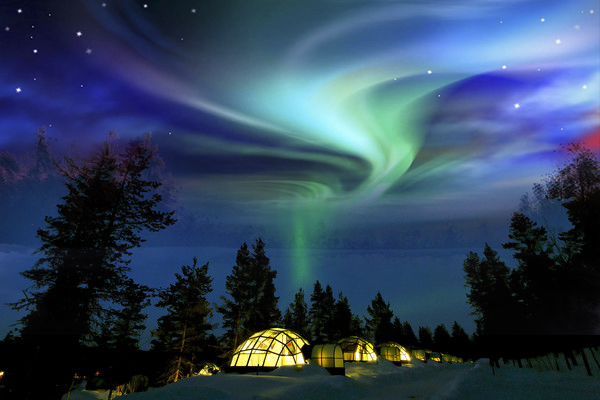
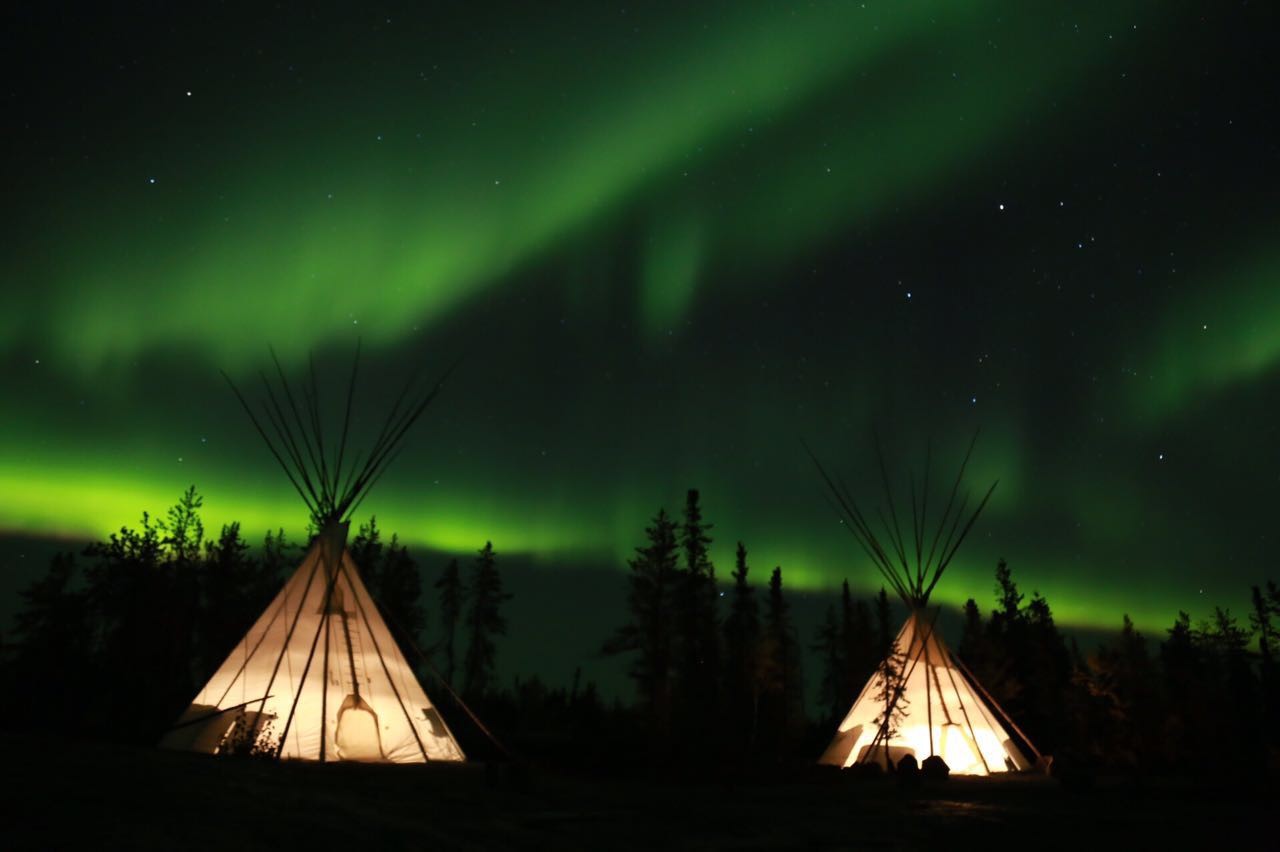
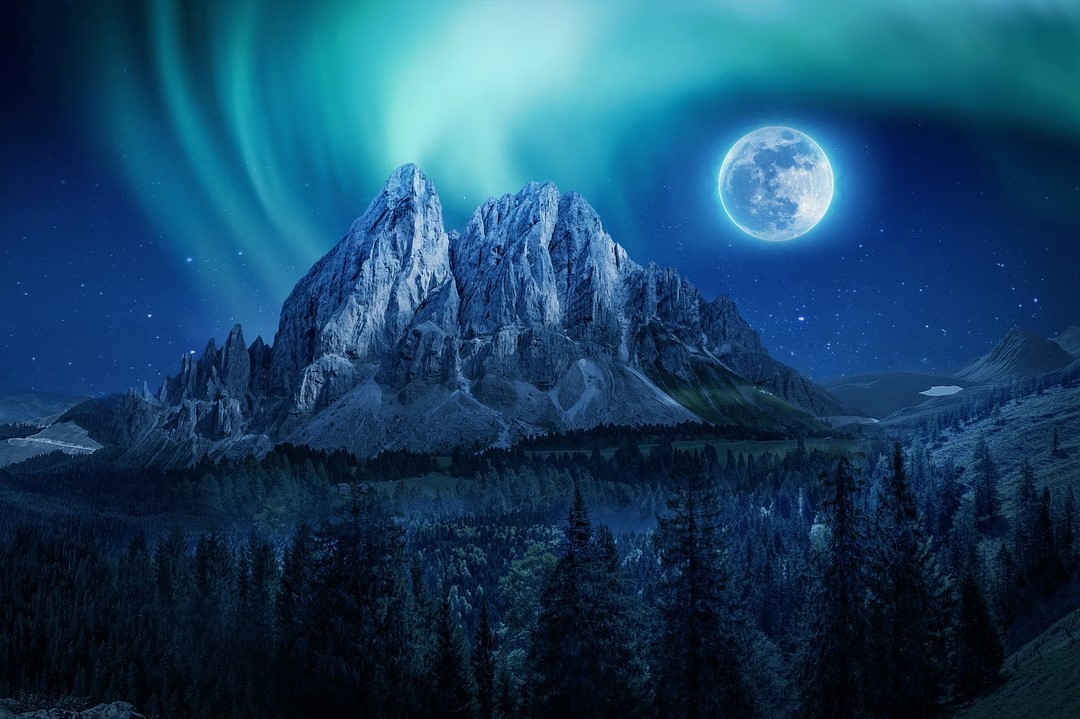
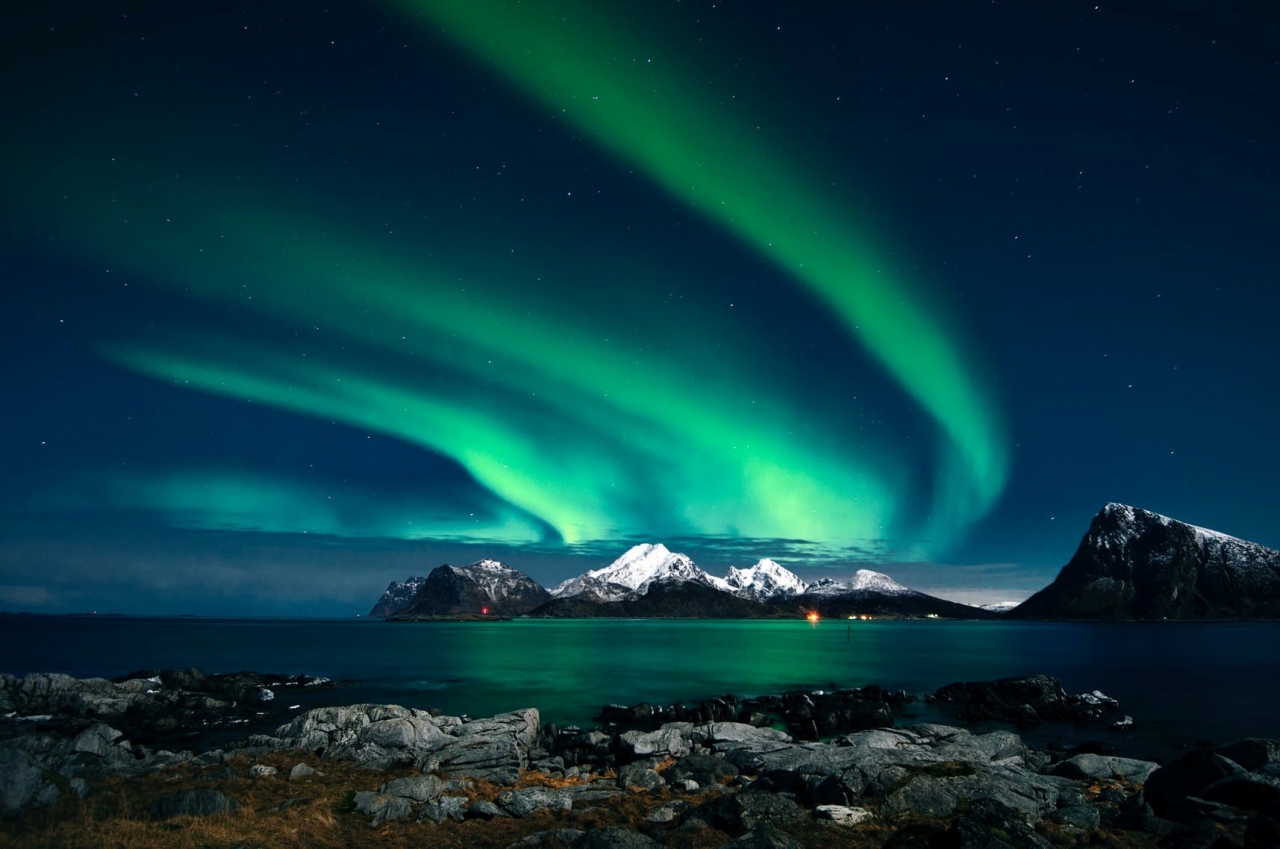
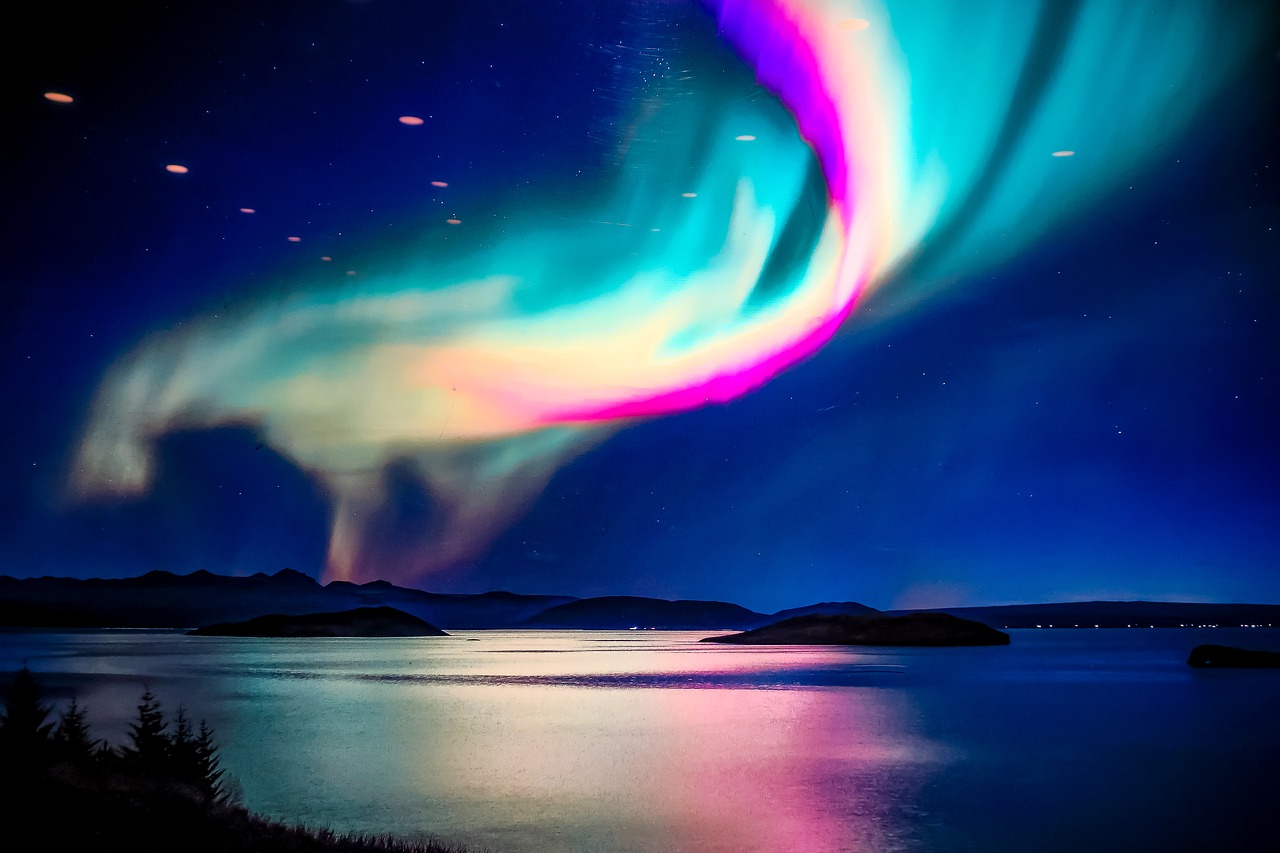
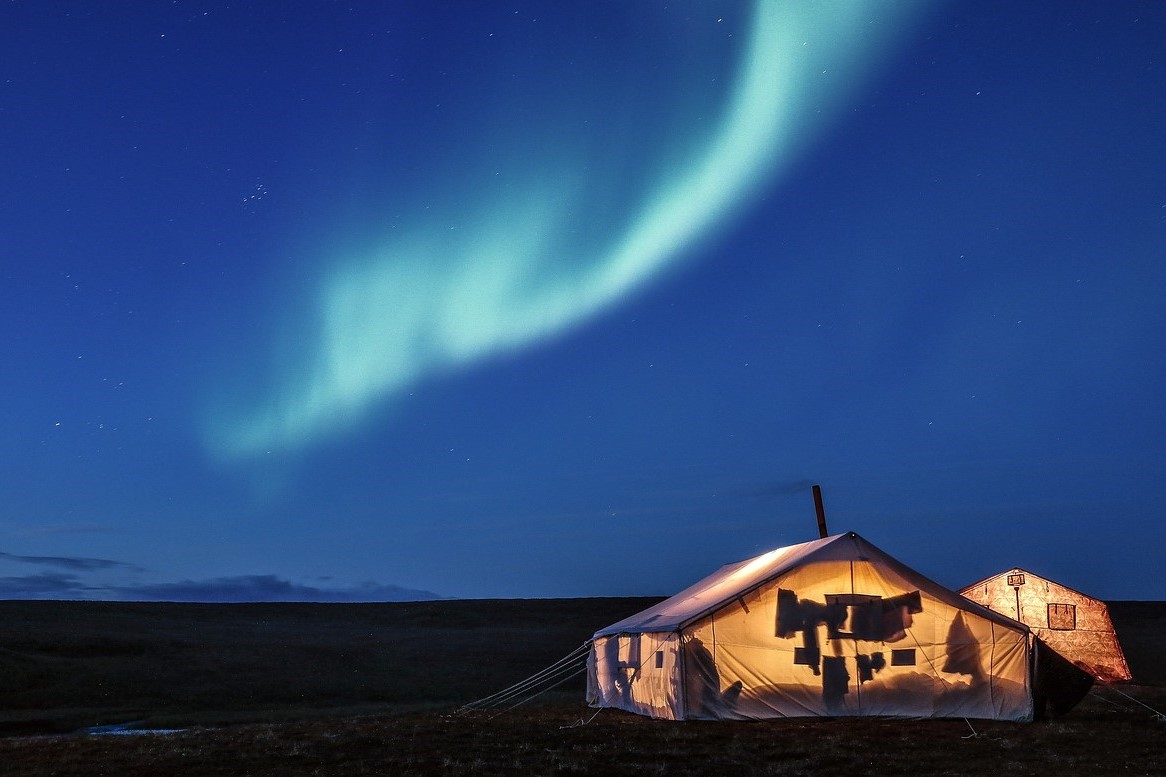
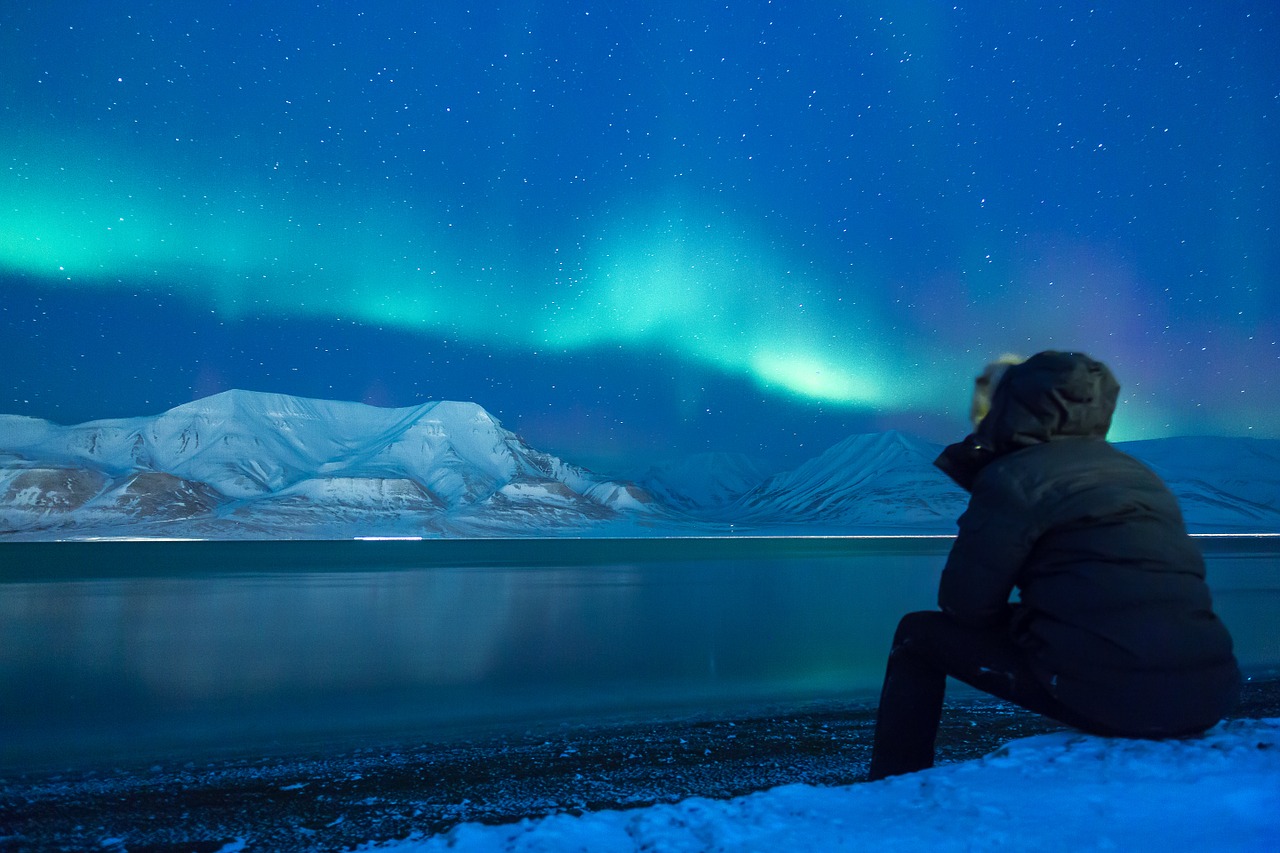
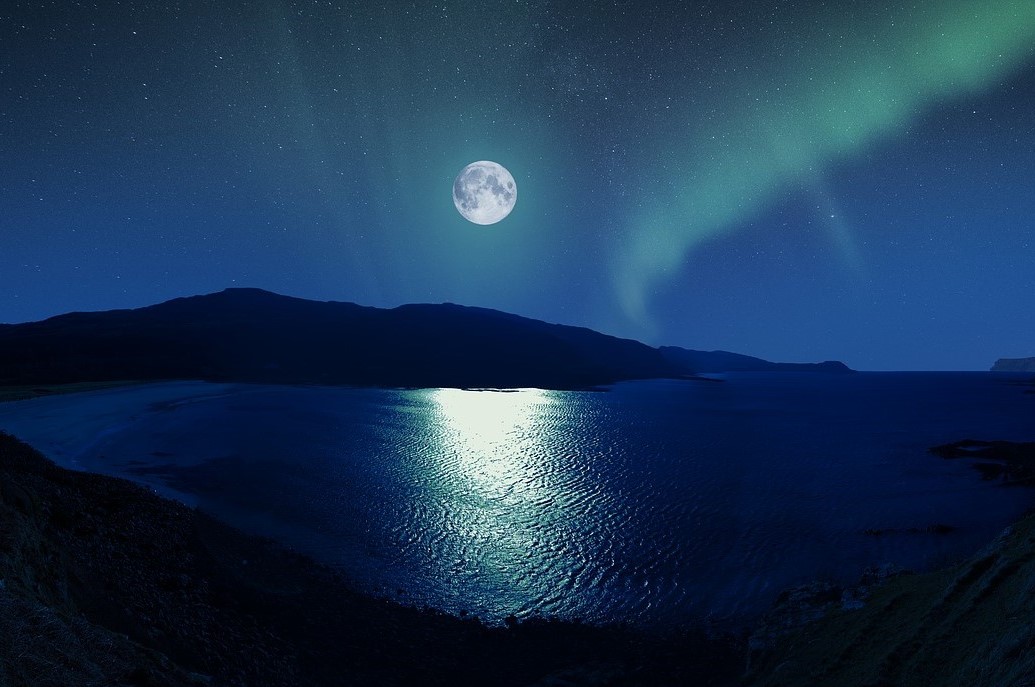
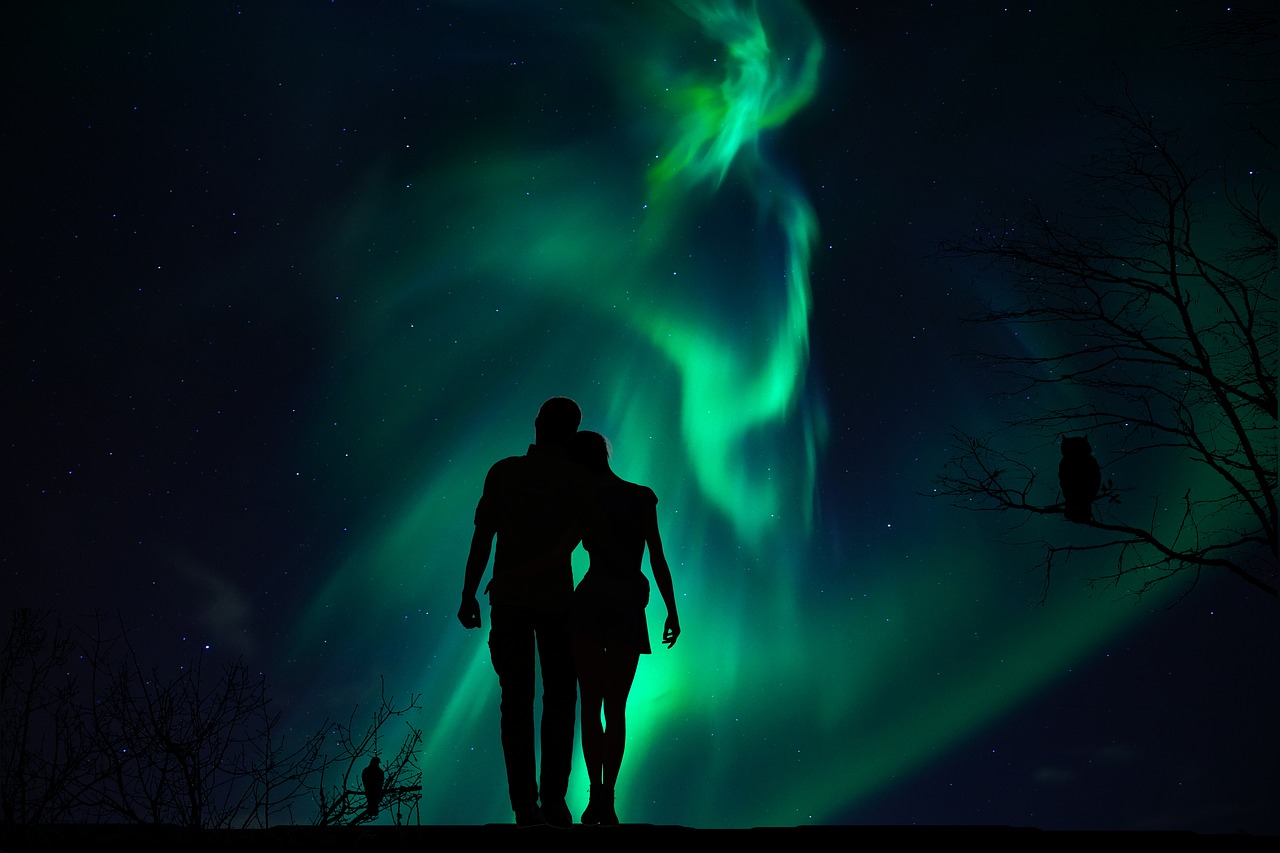
Aurora is a luminous phenomenon caused by charged high-energy particles colliding with atoms in the upper atmosphere at high latitudes (the Arctic and Antarctic). The solar wind is guided by the Earth's magnetic field directly into the atmosphere. During magnetic storms, auroras can also appear at lower latitudes. Auroras are not only found on Earth but also on other planets in the solar system that have magnetic fields.
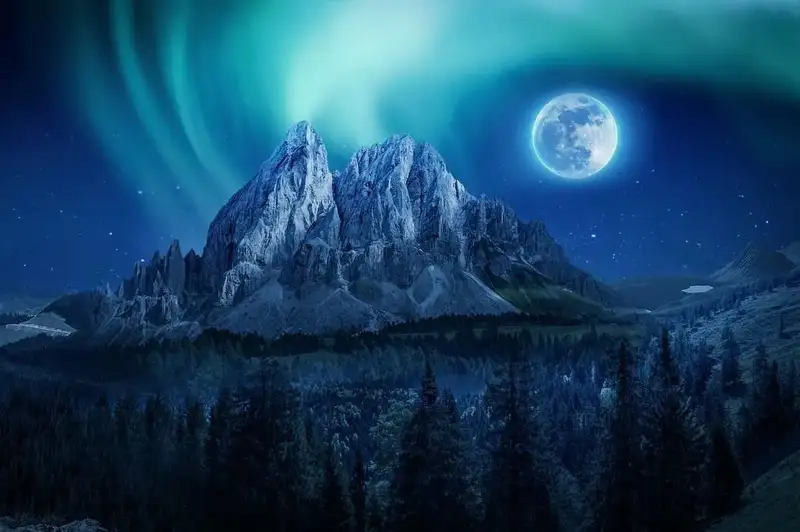
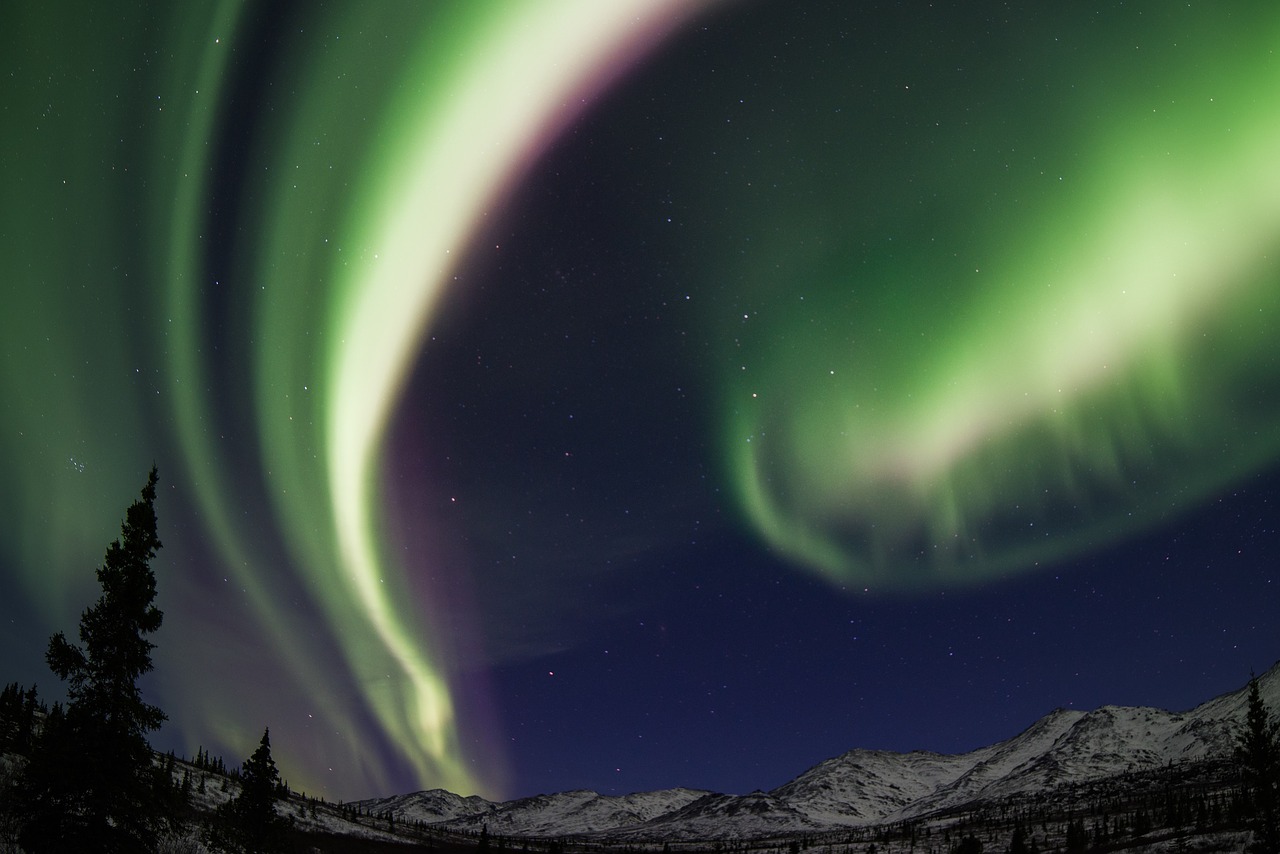
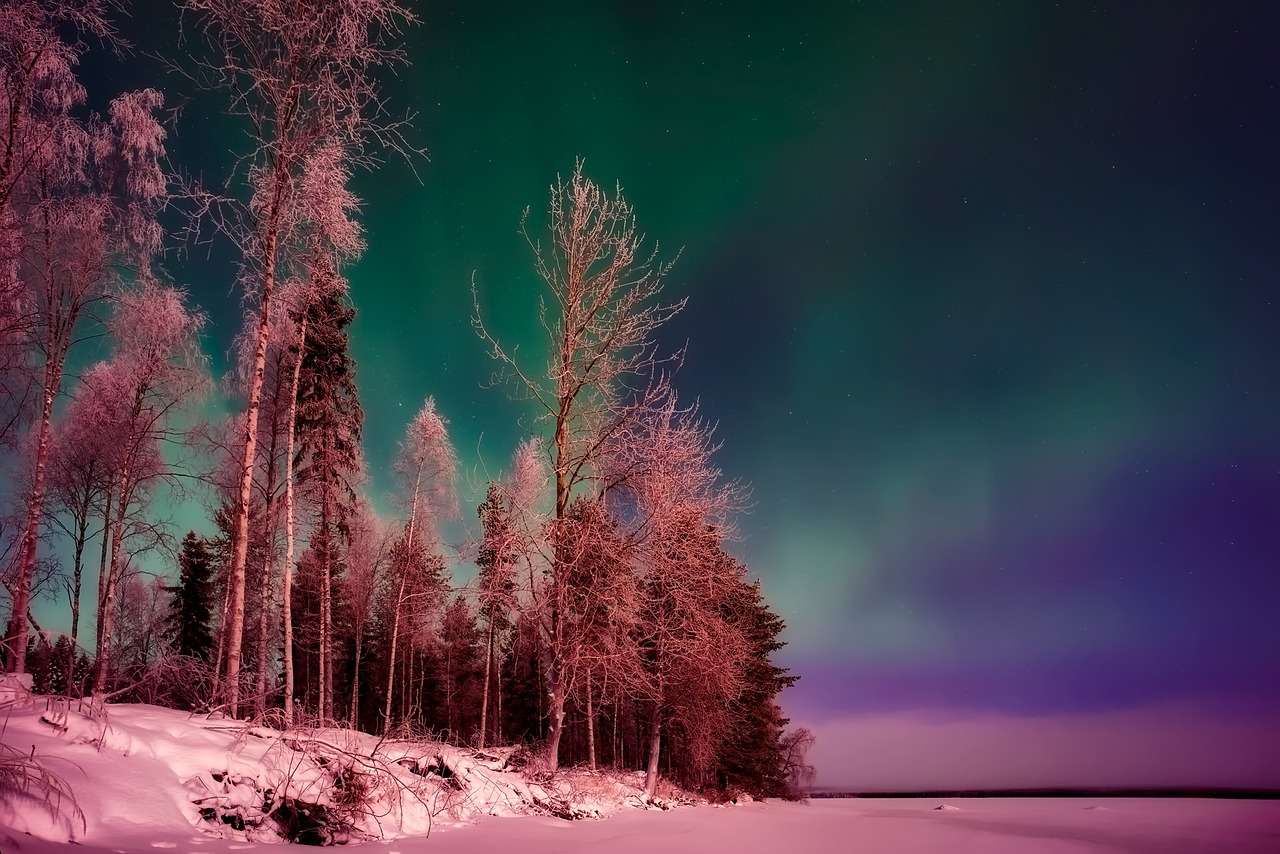
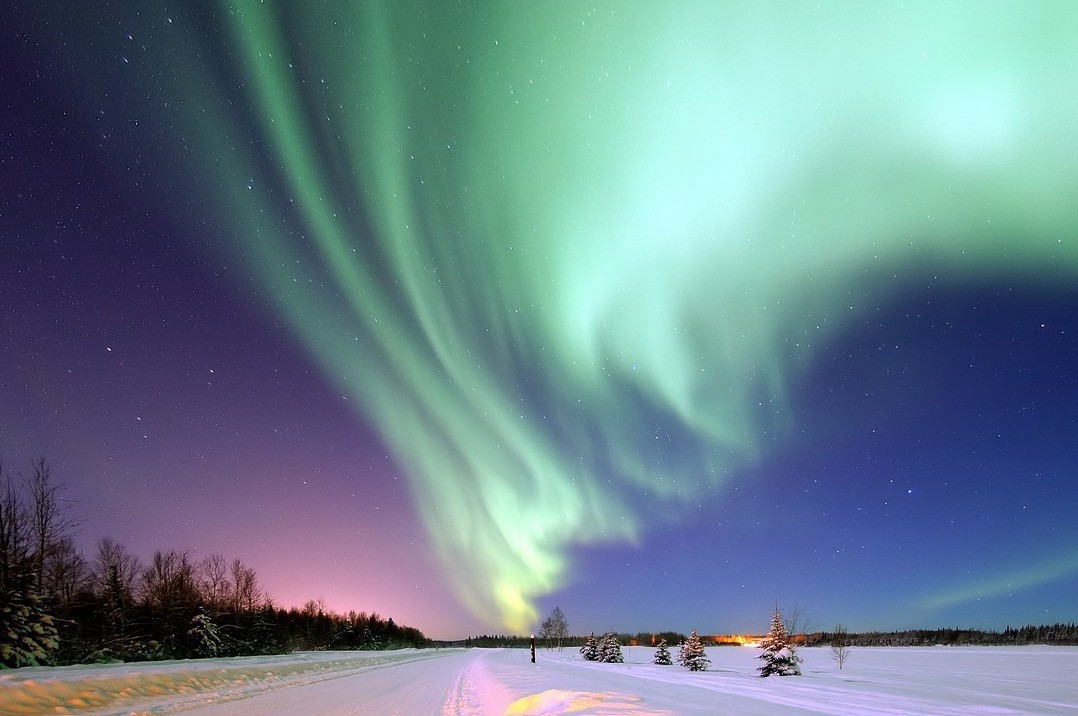
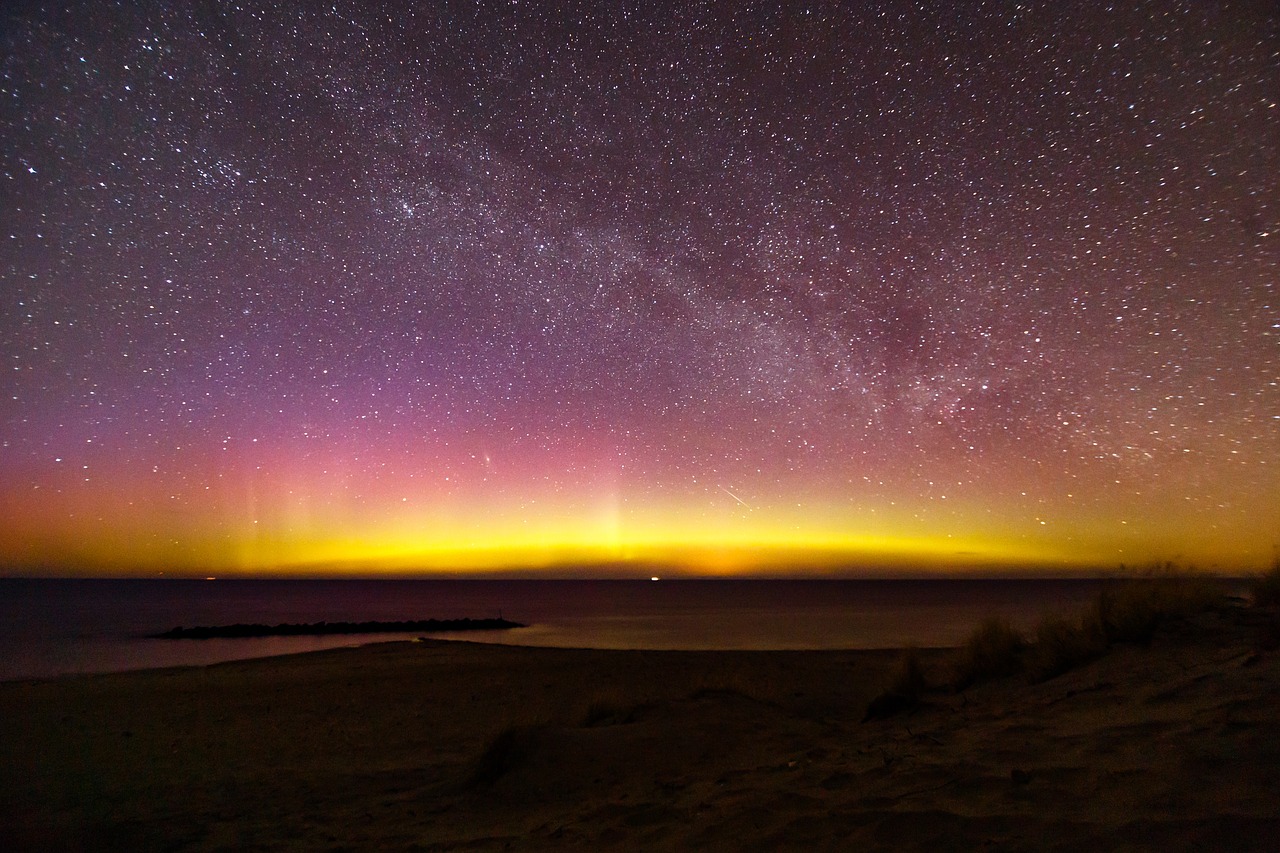
The Earth's auroras mainly appear in red and green because nitrogen and oxygen atoms in the thermosphere are excited by electrons, emitting red and green light respectively. At the highest altitudes, red light from oxygen dominates, followed by green light from oxygen and blue and red light from nitrogen. Finally, only blue and red light from nitrogen remain, as collisions prevent oxygen from emitting light. Green is the most common color of auroras, with pink above it, mixed with pale green and red, followed by pure red, yellow (a mix of red and green), and finally pure blue.
Dancing Spirit, A Lifetime Must-Chase Wonder Journey
“Goddess of the Dawn”
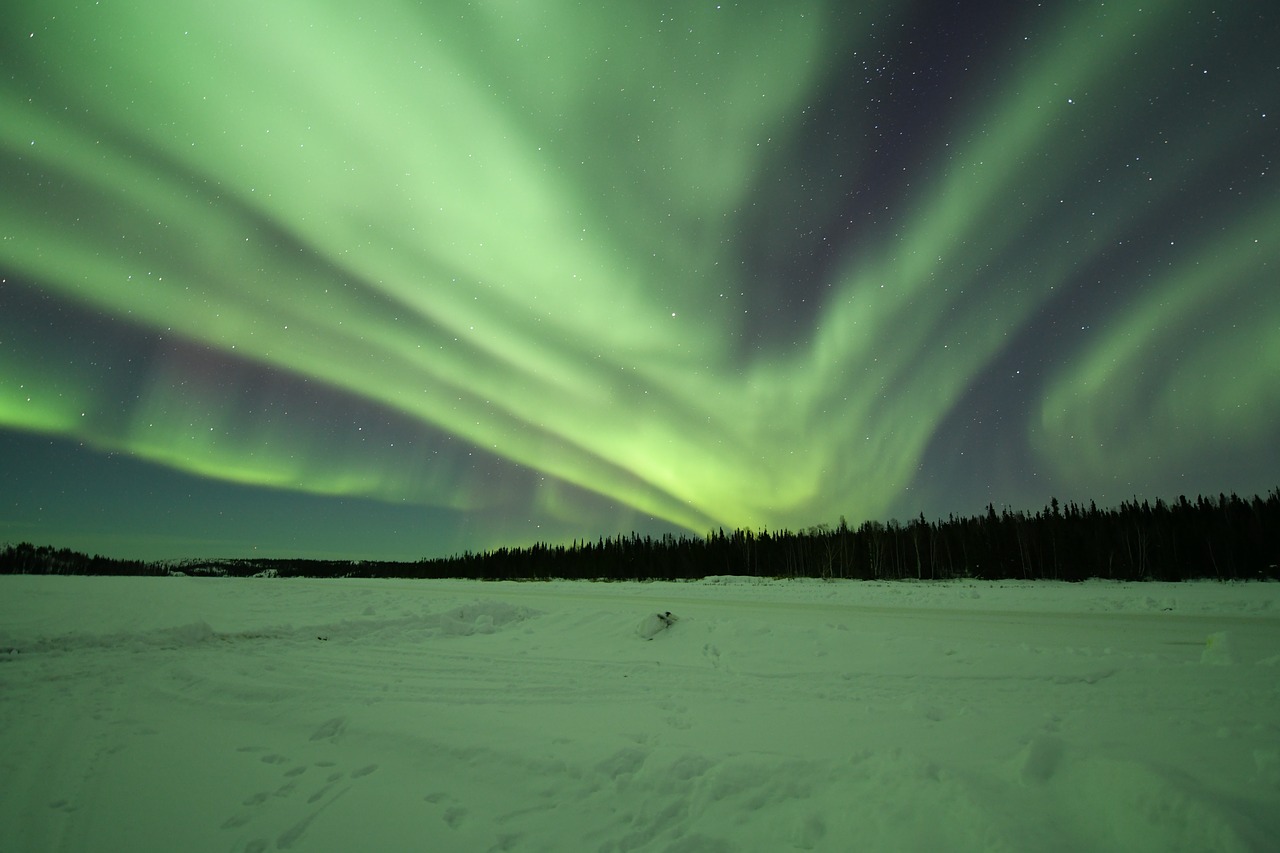
When auroras appear in the auroral zone, they are usually diffuse spots or arcs, often below the level of the naked eye. Discrete auroras typically display structures along magnetic field lines or like curtain-like formations, most commonly green fluorescence, and can change within seconds or remain bright for several hours. In ancient legends, seeing the aurora brings a lifetime of happiness, which has attracted many travelers, who believe that a lifetime journey to witness the aurora is the most beautiful dream that must be fulfilled. To see the aurora, one must go to high-latitude countries,
Solar electromagnetic activity follows an 11-year cycle. Recently, it is about to enter the next cycle, meaning that there will be fewer high-energy particles entering the atmosphere, and the chance of seeing the aurora will decrease, though it will not disappear completely. The previous cycle's solar electromagnetic activity minimum was in 2009, and the next minimum is expected in 2020, meaning that from around 2017, solar electromagnetic activity will gradually decrease each year, reaching the lowest point in 2020, and then slowly become active again in 2021, leading to another aurora peak period.
?? September - April
????
???????????????????
?????????November - February
????
????????????????
?????? September - March
????
??????????????????????????
??????? August - March
????
?????????250?/??????????
???????September -March
????
???????????????
?????????? August � April ( esp March & October)
????
?????240?????????
???February
????
????????????????????????
??????? August - April
Pre-Trip Tips
Loading...
Searching for tours...
No direct tours found in this category
This category might only contain subcategories, or all tours are currently unavailable.